
This question comes up on nearly every quote we give, and it usually arrives with a fair amount of marketing noise attached. So here's the straight version, specific to what happens to a vehicle in the Phoenix metro.
Wax and ceramic coating are both sacrificial layers that sit above your clear coat. Beyond that, they behave so differently in desert heat that comparing them on gloss alone misses the point entirely.
How each one holds on
Carnauba wax sits on the surface. It adheres mechanically, filling and resting in the microscopic texture of the clear coat, with nothing chemically joining it to the paint. Modern polymer and SiO2-blend sealants do bond chemically and sit between wax and a true coating — better than wax, well short of a coating.
A ceramic coating is different in kind. It's a liquid polymer that cures into a hard, glass-like layer and forms a semi-permanent bond with the clear coat. It becomes part of the surface rather than a film resting on it.
In a temperate climate, this distinction is mostly about longevity. In Arizona, it's about whether the protection is still there in August.
What heat does to each
Natural carnauba softens at temperatures that dark paint in direct Valley sun reaches routinely. Softened wax doesn't protect well, it picks up contamination, and it sheds during the next wash. A coat of quality carnauba that might last a few months somewhere mild can be functionally gone in weeks here.
Sealants hold up better than natural wax, and they're a real step up. But they're a thinner, softer layer than a coating, and they still degrade under sustained UV and heat faster than most people expect.
A cured ceramic coating is thermally stable well beyond anything a parked car experiences, so a Phoenix summer doesn't melt it off the way it does wax. It does still wear — sustained UV, heat and harsh wash chemicals gradually reduce how strongly it beads — but that's a slow decline measured in years, not a layer that disappears between June and September.
Where each one lands, practically
Durability
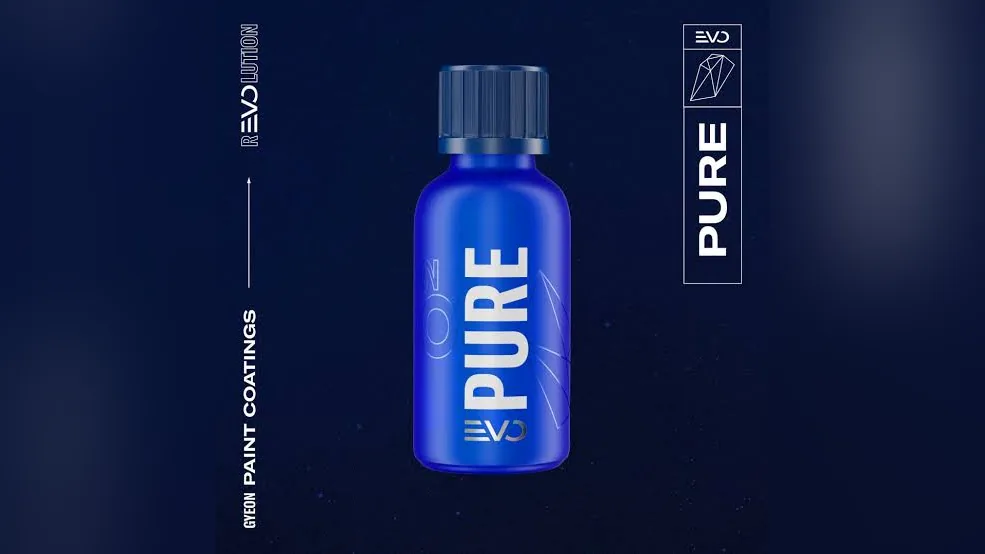
Carnauba in Arizona: weeks to a couple of months. Synthetic sealant: a few months. Professional ceramic coating: years rather than months. The GYEON Q² PURE EVO system we install is manufacturer-rated at 3+ years, and maintained properly it holds up well past that.
UV resistance
This is the one that matters most here, and it isn't close. Wax offers modest UV screening that fades as the layer degrades. A ceramic coating provides a durable UV barrier that keeps working through the season — which directly slows the clear coat breakdown that sun causes.
Chemical and etch resistance
Bird droppings and hard-water minerals are acidic or mineral-aggressive, and Valley sun bakes them on fast. Wax offers little defense. A coating's harder surface resists etching substantially better, which buys you time to remove the contaminant before it marks the paint.
Washing
A coated car releases dirt more easily, which matters more here than it sounds. Easier release means less mechanical scrubbing, which means less abrasive damage from monsoon grit. The protection reduces the damage caused by maintaining the protection.
Cost
Wax is inexpensive per application and expensive per year, because it needs constant reapplication. A coating is a larger single investment that generally costs less over its life. Which one is "cheaper" depends entirely on the window you measure.
What a ceramic coating will not do
This part gets oversold constantly, so we'd rather be blunt about it.
- It is not scratch-proof. It resists light marring better than bare clear coat. It will not survive a brush tunnel wash or a dry wipe, and anyone claiming otherwise is overselling.
- It does not fix existing damage. A coating over swirled or oxidized paint seals in exactly what's there. Correction comes first, always.
- It is not maintenance-free. A coated car still needs washing correctly. It just makes washing correctly easier and more forgiving.
- It does not make water spots impossible. Hard water left to bake on a coated surface still leaves mineral deposits — they're simply far easier to remove before they etch.
When wax is still the right answer
We don't think coatings are correct for everyone, and we'll say so during a quote. Wax or a sealant makes sense on a vehicle you're selling shortly, on a garage-kept car that rarely sees sun, when you want gloss for a specific event, or when the budget for correction plus coating isn't there right now and you'd rather do it properly later than do it halfway today.
The Arizona-specific verdict
For a daily-driven vehicle that lives outside anywhere in the Valley, a ceramic coating is the more sensible investment — not because it's newer or sounds more advanced, but because the specific failure mode here is sustained heat and UV, and that's precisely where wax gives out first.
If you're weighing it, the honest sequence is: assess the paint's current condition, correct what needs correcting, then protect the corrected finish. Skipping the middle step is the most common and most expensive mistake we see.
Want a straight recommendation for your vehicle?
We'll look at the actual condition of your paint and tell you what it needs — including telling you when you don't need a coating.
Book Online